The Hidden Energy Cost of Inefficient Air Conditioning
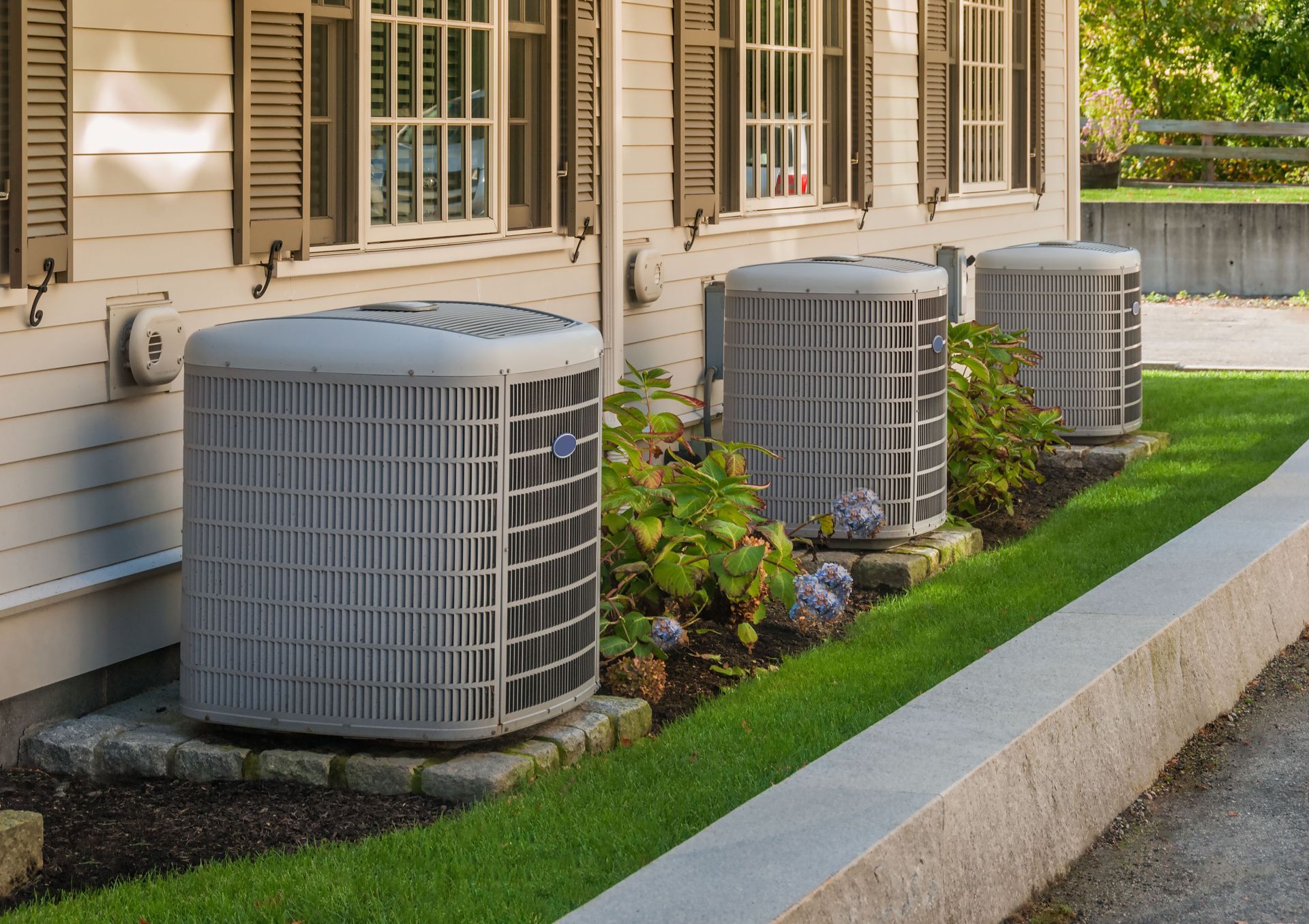
The true cost of air conditioning often goes unnoticed until energy bills spike or systems struggle to keep up during peak summer heat. While air conditioning provides essential comfort, inefficient systems quietly drain energy, increase monthly expenses, and place unnecessary strain on equipment. Many homeowners focus on temperature control without realizing how much performance, maintenance, and system age affect long-term efficiency. Understanding where energy loss happens is the first step toward creating a more comfortable and cost-effective home environment.
Air conditioning efficiency is not just about comfort—it directly impacts household energy consumption across the country. According to the U.S. Department of Energy, air conditioners use about 6% of the energy in the U.S. annually. That statistic alone highlights why even small inefficiencies can add up quickly for individual households. When systems are outdated, poorly maintained, or incorrectly sized, they can consume far more energy than necessary while delivering inconsistent results.
Understanding Where Energy Loss Begins
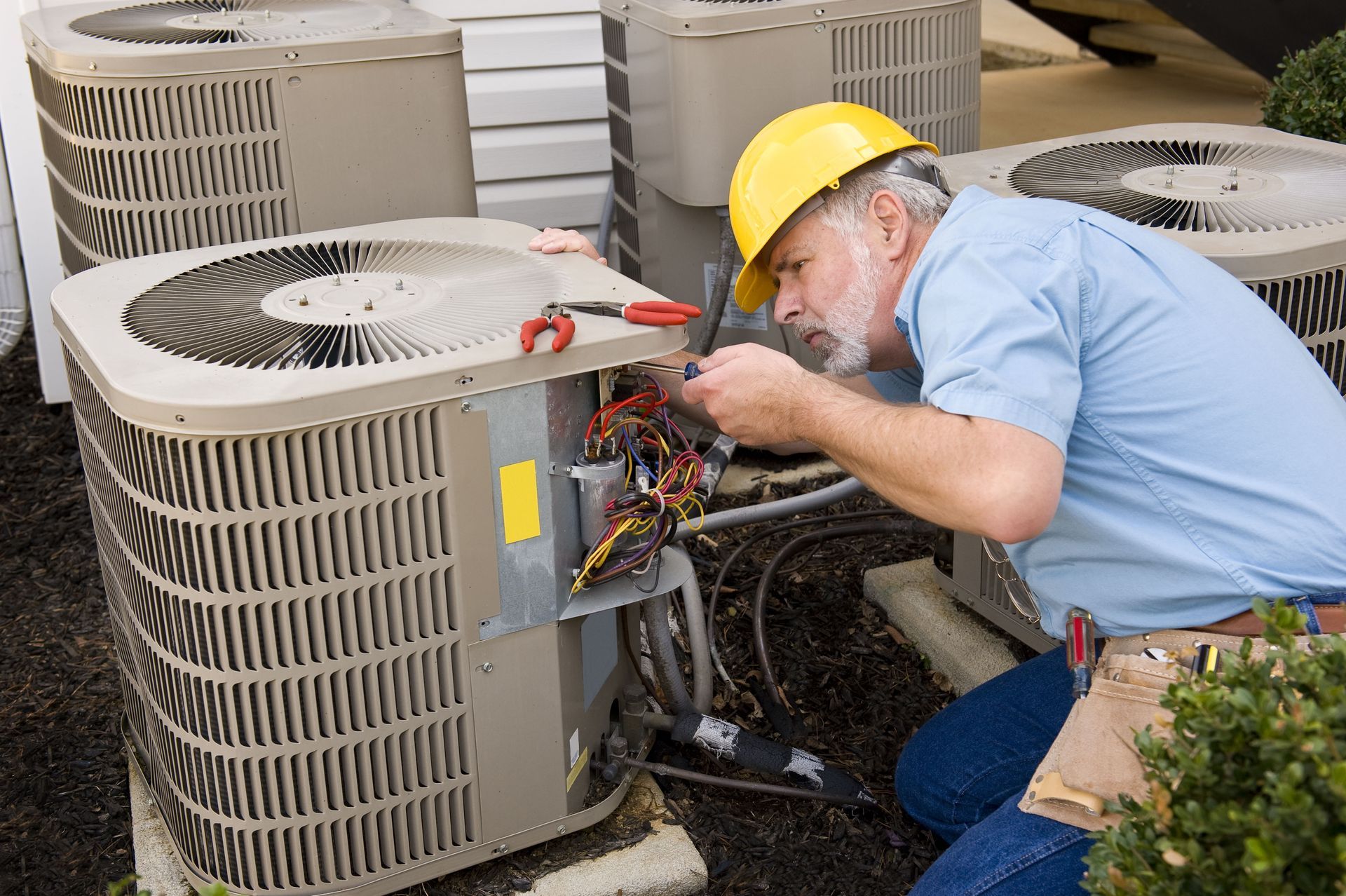
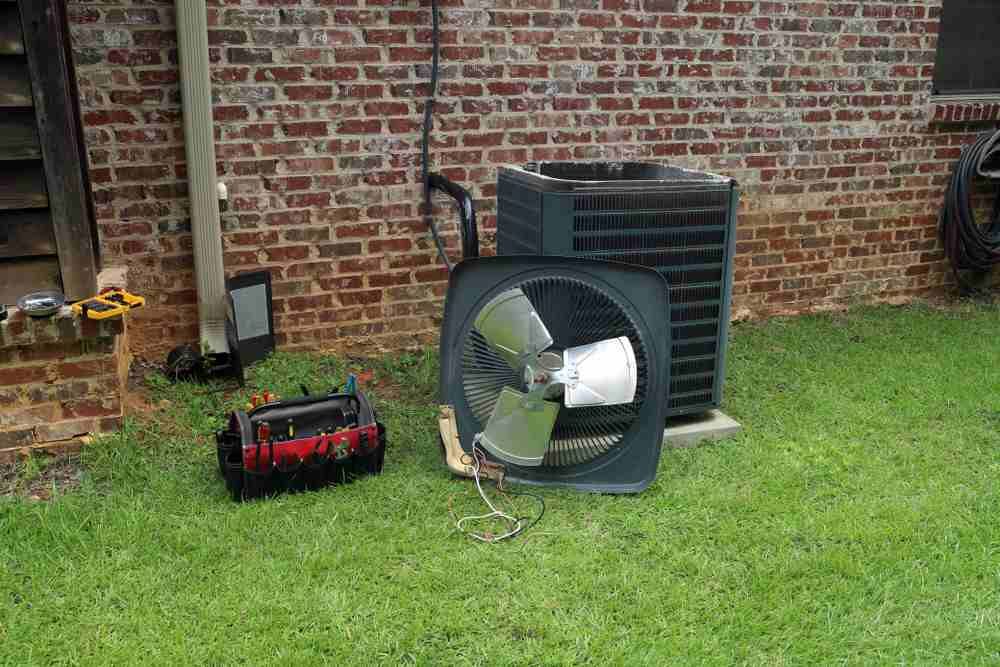
Energy loss in air conditioning systems often starts with components homeowners rarely see or think about. Dirty coils, aging compressors, worn electrical connections, and airflow restrictions can all reduce system efficiency over time. As these issues develop gradually, they rarely trigger immediate discomfort, which makes them easier to ignore, and many homeowners assume rising energy bills are unavoidable rather than a sign of correctable problems. Without professional evaluation, inefficiencies can persist for years, quietly increasing operating costs. These hidden issues often progress silently until performance noticeably declines.
When air conditioning systems operate inefficiently, they tend to run longer cycles to achieve the same cooling results. This extended runtime not only increases energy usage but also accelerates wear on system components. Longer operating cycles also place additional strain on electrical and mechanical parts that were not designed for constant use. Over time, these conditions lead many homeowners to rely more heavily on HVAC services to address frequent breakdowns rather than preventing issues early. Addressing inefficiencies at their source often proves far more cost-effective than reacting to system failures after the fact.
Identifying Signs of Inefficient Performance
Inefficient air conditioning systems often show warning signs well before a complete failure occurs. Uneven cooling throughout the home, frequent cycling on and off, unusual noises, and rising energy bills are all indicators that a system may be struggling. These symptoms often appear gradually, making them easy to overlook during normal daily routines. Homeowners sometimes dismiss these symptoms as normal aging, but they often signal deeper mechanical or airflow issues. Paying attention to subtle changes can prevent more disruptive problems later.
Another common sign of inefficiency is excessive humidity indoors, even when the system is running. Properly functioning air conditioning should regulate both temperature and moisture levels. When humidity lingers, it often indicates that the system is working harder without delivering balanced comfort. When systems cannot manage humidity effectively, comfort decreases while energy consumption increases. In many cases, timely HVAC services can restore proper performance by addressing airflow problems, refrigerant levels, or component wear before more serious damage occurs.
Improving Efficiency Through Proper Maintenance
Routine maintenance plays a critical role in preserving air conditioning efficiency year after year. Tasks such as cleaning coils, replacing filters, inspecting electrical connections, and calibrating thermostats help systems operate closer to their intended performance levels. Without regular maintenance, even newer systems can experience declining efficiency much sooner than expected. Consistency is often the difference between steady performance and ongoing issues.
Preventative care also reduces the likelihood of emergency repairs during extreme weather. Systems that receive consistent attention tend to run more smoothly, consume less energy, and maintain stable indoor temperatures. Homeowners who schedule regular HVAC services often find that their systems last longer and operate more predictably, reducing both stress and long-term operating costs.
Evaluating System Age and Technology
System age is one of the most significant factors influencing air conditioning efficiency. Older units were built to meet different energy standards and often lack the advanced technology found in modern systems. Improvements in compressor design, refrigerants, and smart controls have dramatically increased efficiency in newer models over the past two decades. These advancements can make a noticeable difference in both comfort and operating expenses.
As systems age, efficiency losses become harder to offset through maintenance alone. Rising repair frequency and declining performance often indicate that replacement may be more cost-effective than continued repairs. Professional HVAC services can help homeowners evaluate whether upgrading to a newer system would provide long-term energy savings and improved comfort, especially for properties relying on equipment that is older.
Addressing Ductwork and Airflow Issues
Even the most efficient air conditioning unit cannot perform well if airflow is compromised. Leaky, undersized, or poorly insulated ductwork allows cooled air to escape before reaching living spaces. These losses force systems to work harder, increasing energy consumption while reducing comfort. Airflow problems often exist long before homeowners realize their impact.
Airflow restrictions caused by blocked vents, damaged ducts, or improper system design can also lead to uneven cooling throughout the home. Addressing ductwork issues often results in immediate improvements in system efficiency and comfort. Comprehensive HVAC services frequently include airflow assessments that identify hidden inefficiencies many homeowners would not otherwise detect.
Managing Energy Use With Smart Controls
Thermostat settings play a surprisingly large role in air conditioning efficiency. Manual thermostats rely entirely on homeowner habits, which can lead to inconsistent energy use. Smart thermostats, on the other hand, adjust cooling schedules based on occupancy, time of day, and usage patterns. This automation reduces unnecessary system strain.
By optimizing cooling cycles, smart controls reduce unnecessary runtime without sacrificing comfort. These systems also provide insights into energy consumption trends, allowing homeowners to make informed adjustments. When paired with professional
HVAC services, smart thermostat installation can enhance overall system performance and contribute to measurable energy savings over time.
Preventing Long-Term Costs Through Early Action
The hidden cost of inefficient air conditioning lies in the cumulative effect of small issues left unaddressed. Minor airflow problems, dirty components, or outdated controls may seem insignificant individually, but together they drive higher energy bills and shorten system lifespan. These gradual inefficiencies are often far more expensive than homeowners expect. Over time, the financial impact compounds quietly, making inefficiency one of the most costly problems to ignore.
Homeowners who take a proactive approach to efficiency often enjoy more consistent comfort and fewer unexpected disruptions. Routine inspections and performance evaluations allow technicians to catch problems early, preserving system health and reducing energy waste. Investing in HVAC services before problems escalate is often one of the most effective ways to control long-term home operating costs. This preventative mindset also helps homeowners avoid stressful emergency repairs during extreme weather.
Air conditioning efficiency is about more than just lowering monthly bills—it’s about creating a system that works reliably, sustainably, and comfortably year after year. From maintenance and airflow to technology and system age, every component plays a role in overall performance. At Stephens Plumbing & Heating, Inc, we've proudly served Downers Grove, IL since 1923 as a licensed and insured provider of plumbing and HVAC solutions. If you're looking to reduce energy waste, improve comfort, and protect your system long-term, we're here to help. Reach out to our team and let us take care of your home the way we’ve done for generations.


Share On: